






Released - Famicom Disk System in Japan (January 14, 1987), NES cartridge in North America (December 1, 1988)
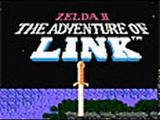
Zelda II: The Adventure of Link is the black sheep of the Zelda family. Arriving less than a year after the original in Japan, it threw out much of what made the first game work and tried something completely different. Decades later it still divides fans, but it is also one of the most influential and interesting games in the series.
Some years after defeating Ganon, Link learns that Princess Zelda has been put into an enchanted sleep, and only the Triforce of Courage can wake her. To reach it he must travel through six palaces, return the crystals they guard and break the seal on the Great Palace. It is a simple setup, but it gave the series the Triforce of Courage and completed the familiar three-piece Triforce.
The biggest change is the camera. Link walks across an overhead map of Hyrule, but towns, caves, palaces and every fight drop into a side-scrolling view. Combat becomes a duel of high and low attacks, with Link switching between standing and crouching, blocking with his shield and timing his thrusts. Later he learns to stab downward while falling and upward while jumping, which makes sword fights feel surprisingly technical for an NES game.
Zelda II also borrows from role-playing games. Defeating enemies earns experience points, which Link uses to raise his attack, magic or life. Towns hold wise men who teach spells such as Shield, Jump, Fire, Reflect, Fairy and Thunder, and several of them are needed to get through palaces or beat bosses. The magic meter introduced here went on to become a series staple.
The catch is the difficulty. Link has a limited number of lives, and losing them all sends you back to the start with your experience points wiped, although items and spells are kept. Enemies hit hard, and the later palaces, especially the Great Palace, can be punishing. Progress is also cryptic: villagers drop vague hints, and without a guide it is easy to wander lost for hours.
The side-scrolling sprites are larger and more detailed than in the first game, and the palace music is one of the most memorable tunes of the NES era. The overworld map is plain by comparison, and the towns all start to look alike after a while, but the game has a moody atmosphere that suits its tougher tone.
Zelda II is not the place to start with the series, and its harsh rules and obscure progression will put off many modern players. But it was bold, it played like nothing else in the series, and it introduced ideas such as the magic meter, spells and towns full of characters that later games built on. Approach it with patience, or a guide close at hand, and it is a rewarding challenge and an important piece of Zelda history.
Reviewed by Zelda Cavern.


